
Article: Pippy Oak vs Burl: So Similar Yet So Different
Pippy Oak vs Burl: So Similar Yet So Different
Pippy Oak vs Burl: So Similar Yet So Different
Characterful hardwoods have a universal appeal. Whether you’re in the UK, USA, Canada or anywhere else in the world, timber with movement and individuality always captures attention. Two materials often compared for their expressive grain are Pippy Oak and burl. Their visual similarities spark curiosity — yet their origins, behaviour and uses are very different.
This article explores those similarities and differences in a clear, globally accurate way, celebrating the shared appreciation for distinctive hardwoods across woodworking communities everywhere.
What Burl Actually Is
Burl is a naturally occurring growth found in species such as walnut, maple, oak, elm and even tropical hardwoods. It forms when a tree experiences stress, injury, fungal activity or genetic mutation, causing the grain to twist, fold and compress in unpredictable ways.
Forestry organisations such as the USDA Forest Service describe burl as a stress‑growth formation — rare, visually dramatic and structurally complex.
Characteristics of Burl
-
swirling, chaotic grain
-
compressed knot clusters
-
voids and pockets
-
irregular density
-
structural unpredictability
-
rarity across species
Because of its striking appearance, burl is used internationally for:
-
luxury veneers
-
statement furniture
-
decorative panels
-
resin‑filled art pieces
-
high‑end automotive interiors
Its scarcity and complexity make it both desirable and challenging to work with.
What Pippy Oak Is (and Why It’s Different)
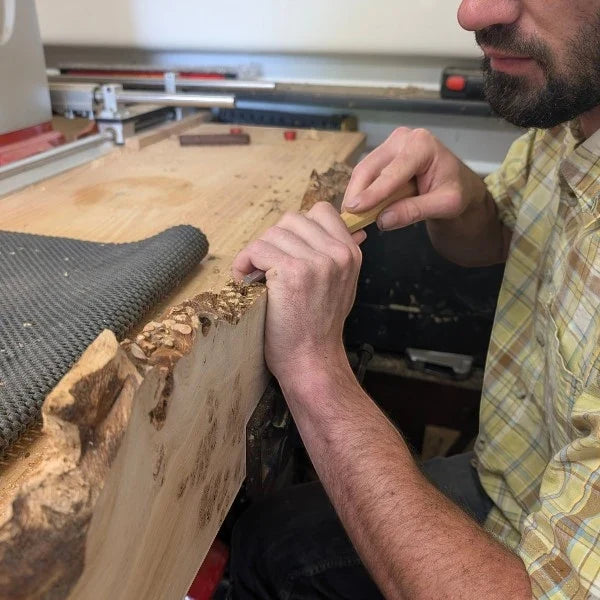
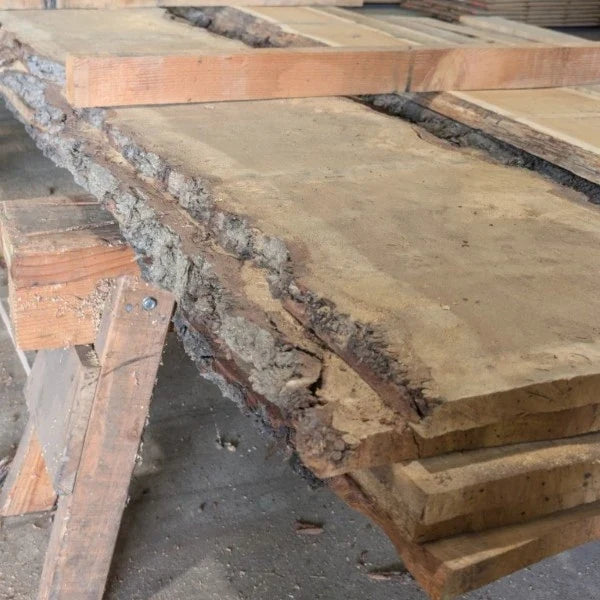
Pippy Oak is a natural variation of English Oak, formed by dormant buds — tiny growth points the tree produced but never developed into branches. These buds remain within the timber and appear as small knots known as “pips.”
The Royal Forestry Society and Woodland Trust classify these as epicormic buds, which can stay dormant for decades and later create the gentle clusters of character seen in Pippy Oak.
Characteristics of Pippy Oak
-
clusters of tiny knots (“pips”)
-
gentle swirling grain
-
cat’s‑paw figuring
-
warm, organic movement
-
reliable stability
-
consistent density
Pippy Oak varies naturally from board to board depending on how many dormant buds formed and how the grain grew around them — giving each piece its own quiet individuality.
Where burl is dramatic, Pippy Oak is expressive. Where burl is unpredictable, Pippy Oak is stable. Where burl is globally rare, Pippy Oak is specifically rare outside the UK.
Similarities Between Pippy Oak and Burl
Despite their different origins, Pippy Oak and burl share qualities that appeal to makers and homeowners across the UK, USA, Canada and beyond:
-
Natural movement in the grain Both show irregular, expressive patterns that feel organic and full of life.
-
Knot clusters and character features Pippy Oak has clusters of dormant buds; burl has compressed, mutated grain.
-
Small voids and pockets Both may contain micro‑voids that require careful finishing.
-
High individuality No two boards of either material look the same.
-
Premium perception Both are treated as premium materials due to rarity and visual complexity.
-
Strong social media appeal Their movement makes sanding and finishing videos visually satisfying.
-
Higher labour cost Both require slower machining and more attention to detail.
Key Differences
-
Formation
-
Pippy Oak: dormant buds in English Oak
-
Burl: stress, injury, infection or mutation
-
-
Stability
-
Pippy Oak: reliable and predictable
-
Burl: can be unstable and prone to cracking
-
-
Availability
-
Pippy Oak: native to the UK
-
Burl: found across Europe, North America, Asia and beyond
-
-
Use cases
-
Pippy Oak: furniture, shelves, coat racks, homeware
-
Burl: veneers, decorative panels, statement slabs
-
-
Species variation Burl varies significantly between species — walnut burl, maple burl and redwood burl each behave differently.
Why People Compare Them
When people see Pippy Oak’s swirling grain, knot clusters and warm movement, it naturally enters the same conversation as burl. The comparison isn’t about superiority — it’s about shared appreciation for expressive hardwoods.
Why Pippy Oak Is a Strong Alternative to Burl
-
More stable Character without unpredictability.
-
More versatile Suitable for everyday furniture and homeware.
-
More consistent Individuality without extreme variation.
-
More accessible internationally Burl can be extremely expensive; Pippy Oak offers premium character at a more grounded price point.
-
More naturally warm Its tone feels soft, homely and timeless.
In Short
Burl is dramatic. Pippy Oak is expressive.
Both are beautiful — and both are respected across woodworking communities worldwide.
For anyone who loves characterful timber, Pippy Oak offers a rare blend of individuality, stability and warmth. It’s a British hardwood with global appeal, and a natural alternative for those who appreciate the look of burl but want a material suited to everyday furniture and homeware.
If you’d like to explore handcrafted Pippy Oak pieces for your home, you can visit Thriverton here